Things to Do in Mauritania
Where the Sahara meets the Atlantic and the coffee is darker than the iron ore trains
Top Things to Do in Mauritania
Find activities and tours you'll actually want to do. Book through our partners -- no booking fees.


Plan Your Trip
Essential guides for timing and budgeting
Climate Guide
Best times to visit based on weather and events
View guide →Day Trips
The best excursions and nearby destinations worth the journey
Explore day trips →Where to Stay
Best neighbourhoods, hotel picks, and booking tips
Find hotels →Travel Insurance
What's required, what coverage matters, and how to get a quote
Read guide →What to Pack
Climate-specific gear, essentials, and what to leave at home
See packing list →When Should You Visit Mauritania?
Tap a month for weather, crowds, and highlights
View full year-round climate guide →Your Guide to Mauritania
About Mauritania
Mauritania begins with grit on your tongue. Saharan dust rides the wind as the iron ore train from Nouadhibou snakes past, 200 cars long, each one the color of rust against white dunes. In Nouakchott's Marché Capitale, grilled mutton mingles with diesel exhaust while men in sky-blue boubous bargain for mint tea and SIM cards that work everywhere except the deep desert.
The city moves like the tide. Languid afternoons stretch across Plage de Nouakchott where Atlantic waves crash hard enough to drown the the call to prayer. Sudden urgency arrives at sunset when fishing boats return and women in gold jewelry hawk thiof straight from the nets. Drive east past Rosso and the landscape shifts.
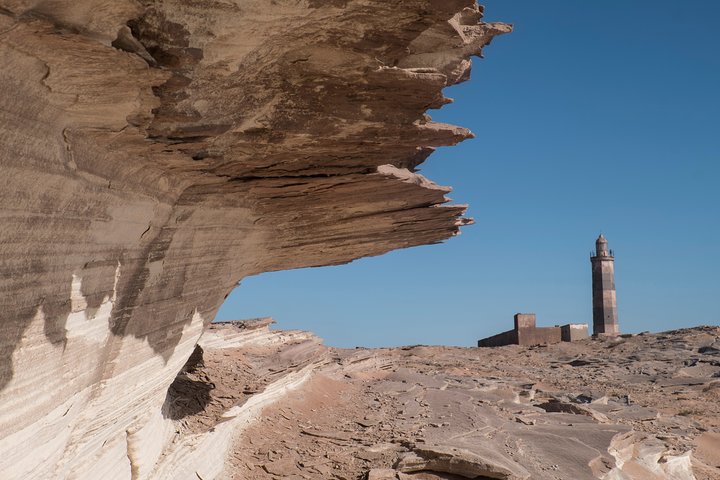
Acacia trees become sparse punctuation marks in endless sand until Chinguetti rises like a hallucination. Its 13th-century mosque's stone minaret casts shadows across manuscript libraries where scholars once traded books by the kilo. The heat builds layer by layer until 45°C (113°F) feels like breathing through a hair dryer.
The reward waits at Terjit Oasis where date palms create natural air conditioning and the water runs cold enough to make you gasp. This is Mauritania's gamble. Brutal sun meets overwhelming hospitality. Empty roads lead to full hearts. Lunch might be camel meat with nomads who've never seen a tourist and wouldn't know what to charge you if they had.
Travel Tips
Transportation: The iron ore train from Nouadhibou to Choum runs nightly. Bring a dust mask. Expect to pay a modest fee for the passenger car or ride free on the ore cars like locals do. Shared taxis between cities are budget-friendly and leave when full, which might mean 4 AM. Download maps.me before leaving Nouakchott. Cell service drops to zero past Atar. The road to Terjit Oasis requires 4WD. Rent from Garage Zein in Nouakchott for a weekly rate that's surprisingly affordable when split between travelers, cheaper than organized tours.
Money: ATMs exist only in Nouakchott and Nouadhibou. Stock up on ouguiya before heading inland. The black market gives better rates but stick to Hotel Halima's lobby traders to avoid counterfeit bills. Credit cards work at exactly two hotels: Monotel and Mauricenter, both in Nouakchott. Daily costs outside the capital are budget-friendly. Nouakchott itself runs mid-range. Always carry small bills. Nobody has change for larger denominations.
Cultural Respect: Greetings matter. Always say 'Labas?' before any interaction. During Ramadan, don't eat, drink, or smoke publicly. Even water can offend. White visitors will hear 'Toubab!' constantly. It's not insult, just observation. Women's hair should stay covered outside Nouakchott. Pack a loose scarf. Accept tea when offered. It comes in three glasses symbolizing life, love, and death. Refusing the third cup is rude.
Food Safety: Stick to piping hot food. Lamb tagine from roadside stalls is safest when you see it bubbling. Avoid salad outside Nouakchott. The water isn't treated. The fish market at Nouakchott port serves grilled thiof that's fresher than Paris restaurants for a few coins. Bottled water costs pocket change everywhere. Request 'Cristaline'. Other brands might be refilled tap water. Bring ciprofloxacin. Stomach bugs hit 40% of travelers within week one.
When to Visit
November through February delivers Mauritania's sweet spot. Days hover at 24-28°C (75-82°F) and cool desert nights drop to 15°C (59°F). These months see 0-2mm rainfall total. Essentially zero. The landscape becomes photographer's gold. Hotel prices in Nouakchott jump significantly during this window. Basic doubles hit mid-range rates compared to shoulder season bargains.
March brings the harmattan wind. Sand so fine it penetrates zippers. Sunglasses become mandatory. Temperatures climb past 35°C (95°F) daily. April through June becomes brutal. 40-45°C (104-113°F) with zero shade beyond Nouakchott. Smart travelers skip this entirely. Even locals head to Senegal.
July to September offers strange bargains. Temperature drops slightly to 38°C (100°F) but humidity spikes during the brief August rains. Sometimes 50mm in 24 hours turns desert roads to impassable mud. Flights from Europe drop 30-40%. Hotels slash rates to budget-friendly levels. October brings relief. 32°C (90°F) days, clear skies, and the Nouakchott International Fishing Festival (usually last week of October) where you can watch traditional pirogue races and eat free grilled fish.
Christmas and New Year sell out completely. Book three months ahead minimum. Ramadan shifts yearly but plan around it. Restaurants close during daylight and nightlife disappears. For Sahara trekking, December-February is non-negotiable. Camel trips to the Eye of the Sahara or overnight stays in Chinguetti become suicide missions outside these months when sand temperatures exceed 60°C (140°F).
More Ways to Experience Mauritania
Tours, day trips, and local experiences curated by on-the-ground operators.
Didn't see anything interesting yet?
Browse Viator's full catalog of tours, day trips, food experiences, and private guides in Mauritania.
See All Mauritania Tours on Viator