Things to Do in Mauritania in May
May weather, activities, events & insider tips
Low Season · Budget Friendly
May Weather in Mauritania
Long-run averages for May in Nouakchott
91°F (33°C)
High Temp
71°F (21°C)
Low Temp
0.1 inches (3 mm)
Rainfall
49%
Humidity
11
Sunny-Day UV
⚠ Sandstorms and strong winds carrying fine desert dust can occur with little warning in the Adrar region and along the Nouakchott coast. These reduce visibility to near zero, fill your lungs with grit, and can ground vehicles for hours. A cheche or dust mask, sealed goggles, and the willingness to stop and wait out the storm are your defenses. Drivers experienced with the region know how to read the sky for approaching dust. This is one of several reasons not to attempt self-drive in the interior.
⚠ The sun intensity at Mauritania's latitude in May is extreme and the terrain offers almost no natural shade. Sunburn can develop within thirty minutes of unprotected exposure, and heat exhaustion progresses to heatstroke faster than most visitors from temperate climates expect. Schedule all outdoor activities for before 10 AM or after 4 PM. Carry sun protection at all times. Treat any headache or nausea as a medical warning, not an inconvenience.
⚠ Tap water is not safe to drink anywhere in Mauritania. Use only bottled or purified water, including for brushing teeth. Verify that bottled water seals are intact before drinking. Refilled bottles are occasionally sold. In remote areas, carry purification tablets as a backup in case bottled supplies run out.
Is May Right for You?
Weigh the advantages and considerations before booking
Advantages
- + Mauritania in May occupies a narrow window between the cooler winter high season and the humid summer rains that arrive in July. You will likely have Chinguetti's medieval stone libraries, the Adrar Plateau's canyon trails, and even the fishing pirogues of Nouakchott's Port de Peche almost entirely to yourself. Tour operators still run full itineraries but with skeleton client lists. Multi-day desert expeditions tend to feel like private charters.
- + Rainfall is essentially nonexistent. Nouakchott's May average sits at just 3 mm (0.1 inches), and the Adrar interior is bone dry. You won't lose a single day to weather. The skies over the Sahara run a deep, unbroken blue from dawn through the copper-orange sunsets that light up the ergs near Ouadane. Visibility for photography is as good as it gets before summer haze builds.
- + Accommodation costs drop noticeably from the November-to-March peak. Auberges in Atar and Chinguetti have open rooms without any advance booking pressure. The economics shift in your favor across the board. Transport, guides, even camel treks through the Adrar dunes tend to be more negotiable when operators aren't fielding European tour groups.
- + May falls well after Ramadan in 2027. Restaurants, cafes, and street-side tea vendors operate on normal schedules. You can sit down for a plate of thieboudienne at midday without navigating the social complexities of eating during the fast. The evening social rhythm, tea, conversation, grilled meat, runs at its relaxed default pace.
Considerations
- − The heat is serious and unrelenting. Nouakchott's average high of 33°C (91°F) is manageable near the Atlantic coast where a salt-tinged breeze cuts through. Inland at Atar, Chinguetti, and around the Richat Structure, midday temperatures can push well past 40°C (104°F). From roughly 11 AM to 4 PM the desert becomes a no-go zone for anything beyond sitting in shade and drinking water. Your itinerary compresses into early mornings and late afternoons. This limits how much ground you cover each day.
- − Banc d'Arguin National Park, Mauritania's crown jewel for birdwatching, is past its peak migration window. The massive flocks of European waders, flamingos, pelicans, spoonbills, that carpet the tidal flats from October through March have largely departed by May. Resident species and some lingering stragglers remain. The Imraguen fishing settlements are still accessible. If birds are your primary reason for coming, November through February is the honest answer.
- − Infrastructure remains minimal even by West African standards. Outside Nouakchott and Nouadhibou, paved roads give way to sand tracks that require experienced drivers with 4x4 vehicles. Medical facilities are limited. Pharmacies stock unpredictably. Mobile coverage drops out entirely once you're an hour into the Adrar. May's heat amplifies every infrastructure gap. A breakdown that's merely inconvenient in January becomes a genuine safety issue when the air temperature can cook an egg on a car hood.
Best Activities in May
Top things to do during your visit
Adrar Plateau Desert Expeditions from Atar
The Adrar region is Mauritania's geographic soul. It is a tableland of sandstone canyons, dry wadis, and dune fields that stretches from the oasis town of Atar north toward the ancient caravan cities. In May, you'll have the canyons essentially to yourself. This transforms the experience from tourism into something closer to exploration. The trick is timing. You leave Atar before dawn, when the air still carries the cool of the desert night and the sand underfoot feels almost cold. You're hiking by first light as the canyon walls shift from grey to amber to a burning gold that warms your face before the sun clears the rim. By 10 AM you're back at camp or in a vehicle, drinking sweet mint tea under a canvas shade while the landscape shimmers. The silence out here is physical. No engine noise, no wind some mornings, just the creak of cooling rock. Nights drop to around 21°C (70°F), comfortable enough to sleep on a mat under a sky so thick with stars it looks fabricated. Multi-day itineraries typically run four to eight days, looping through Chinguetti, Ouadane, and the dune seas between them. Book through licensed operators at least three weeks ahead. May's skeleton staffing means fewer vehicles and guides in rotation. See current options in the booking section below.
Booking Tip: Arrange at least three weeks in advance through operators based in Nouakchott or Atar who provide 4x4 vehicles, experienced Saharan drivers, and satellite communication equipment. May's low season means fewer departures. Confirm your dates early. Every reputable operator includes water resupply, camping gear, and a cook. Verify that the vehicle carries a sand ladder and spare fuel. These are standard in winter but occasionally skipped when operators cut costs in the quiet months.
Nouakchott Port de Peche and Capital Walking Tours
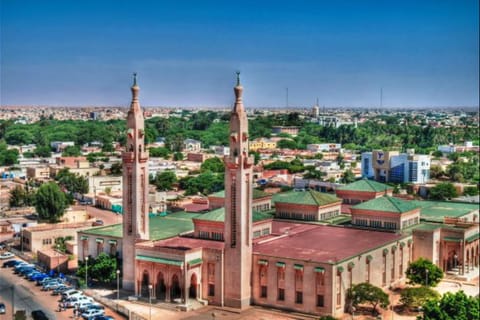
Nouakchott's fishing port hits harder than anything else in a country built on empty horizons. Hundreds of painted wooden pirogues line the sand. Each carries its own color code: turquoise, yellow, red, hand-lettered in Arabic. Crews haul the morning catch while the smell reaches you two blocks out. Salt, diesel, fish guts, charcoal smoke from women grilling unsold catch right on the beach. The noise builds fast. Shouted haggling. Engine revving. Wet fish slapping wood. Arrive before 7 AM. The light stays soft then. Boats still cut through the surf. You catch the port raw. The rest of Nouakchott opens on foot from there. The Grand Mosque rises with twin minarets over low concrete. The silver market puts Moorish jewelers to work, hammering geometry into bracelets and tea sets. Cinquieme's fabric stalls pump indigo dye into the air, that faint metallic tang. May humidity hovers near 49%. The Atlantic breeze keeps the capital cooler than the interior. Give Nouakchott a full day. It rewards slow walking and long tea stops.
Booking Tip: Local operators run capital walking tours. Four to six hours covers the port, markets, and mosque. Book one week ahead. Request the early slot. Beat the midday heat. A good guide changes everything. They negotiate your entry. They explain the fishing economy. They steer you clear of friction zones where cameras provoke. Check current guided options in the booking section below.
Terjit Oasis Day Excursions
Terjit answers the question every Sahara traveler asks after two days: where's the cool? The oasis sits in a narrow canyon, 45 km (28 miles) south of Atar. Palm shade channels spring water through rock-cut pools. In May the contrast feels hallucinatory. You walk through 40°C (104°F) desert glare. Duck under date palms. The air drops ten degrees. Your feet hit water cold enough to make you gasp. Canyon walls rise close, rust and cream sandstone layers. Sound narrows to dripping water, palm fronds clicking overhead. Mauritanians escape here too. You may share pools with local families picnicking on mats. Half the charm. The spring-fed pools run shallow enough to wade, deep enough in spots to submerge to your shoulders. Pack water shoes for the rocky streambed. Allow three hours plus driving time from Atar. Most Adrar multi-day tours include Terjit. It works as a standalone half-day trip if you're based in Atar.
Booking Tip: Terjit usually appears in multi-day Adrar itineraries. Standalone half-day excursions from Atar work if you arrange a 4x4 and driver. The access road is unpaved and sandy. Do not attempt without desert experience behind the wheel. No facilities exist on site. Bring your own water, food, and sun protection for the drive. See current multi-day tour packages that include Terjit in the booking section below.
Nouadhibou Coastal Exploration and Cap Blanc
Nouadhibou sits on a sandy peninsula jutting into the Atlantic. It carries the strange energy of a frontier town built on iron ore and fishing, not aesthetics. Two things draw travelers here. First, Cap Blanc. The peninsula's westernmost point hosts one of the last Mediterranean monk seal colonies on Earth, among the rarest marine mammals alive. You watch from a cliff-side observation point. Their dark bodies haul out on rocks below. The Atlantic crashes white around them. Second, the coastline south of town. Here sits what was once the world's largest ship graveyard. Rusting hulls beach in the shallows. Their silhouettes break the flat horizon. Photographers chase the amber light of late afternoon. The Atlantic breeze keeps Nouadhibou slightly cooler than Nouakchott in May. Salt air carries a mineral edge that sticks to your skin. Give it two full days. One for seals and coastline. One for the town itself and its surprisingly lively fish market.
Booking Tip: Local operators run Nouadhibou walking tours and guided Cap Blanc excursions. The monk seal visit needs coordination with the national park authority. Your guide handles this. Confirm in advance that the observation point is open. Access occasionally closes for conservation reasons. Book two weeks ahead. See current Nouadhibou tour options in the booking section below.
Banc d'Arguin National Park Coastal Expeditions
Even past peak migration, Banc d'Arguin ranks among West Africa's most extraordinary landscapes. UNESCO protection covers this coastline where the Sahara walks straight into the Atlantic. Vast shallow tidal flats shimmer like hammered silver under the May sun. Imraguen fishing communities still use traditional sailing techniques. Their wooden boats skim the shallows in ways unchanged for centuries. In May, resident bird populations stay active and visible. Herons, terns, cormorants, ospreys nest on offshore islands. The massive European migratory flocks have departed. The park's real power is emptiness. Stand on a sandbar at low tide. Warm Atlantic laps your ankles. Sahara dunes rise directly behind you. No other human in sight. The drive from Nouakchott takes five to six hours on increasingly rough tracks. Overnight stays in basic camps are standard. The heat is intense. Ocean wind tempers it. The sunsets deliver. White to rose to deep purple over the flats. Worth every bump in the road.
Booking Tip: Banc d'Arguin demands a national park permit plus a guide, both arranged through your tour operator. Multi-day expeditions from Nouakchott run three to four days including transit. This is standard. Verify your operator supplies adequate water, shade structures, and a vehicle that handles coastal sand tracks. Book three weeks ahead. Check current Banc d'Arguin itineraries below.
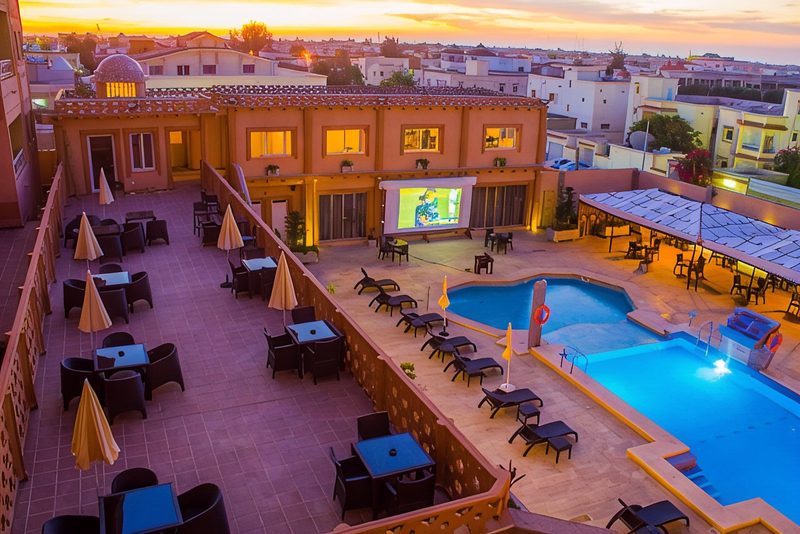
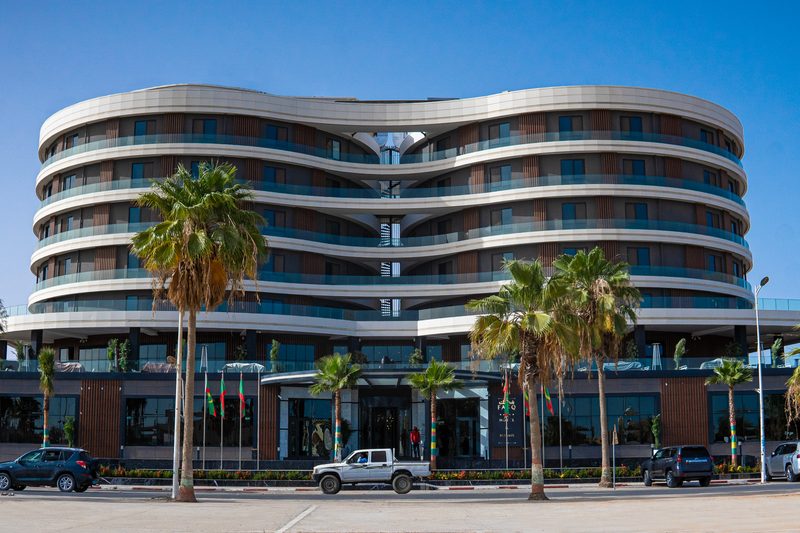
Where to Stay in Mauritania in May
Hand-picked hotels across price tiers for May travellers.
Public Holidays in May
Dates that affect opening hours, transport and crowds
Labour Day
Observed nationwide as a public holiday.
Africa Day
Observed nationwide as a public holiday.
Labour Day
Observed nationwide as a public holiday.
Africa Day
Observed nationwide as a public holiday.
Packing Checklist
Bookmark this page — your progress is saved between visits
Need the full list with shopping links?
Climate-specific gear, brand recommendations, and what to leave at home.
View Mauritania Packing List →Essential Tips
Insider knowledge and common pitfalls to avoid
Insider Knowledge
Mauritanian mint tea runs three rounds. This is social ritual, not beverage service. Understanding this transforms your experience. The first glass is bitter and strong. The second is mellower. The third is sweet. Locals say they mirror life, love, and death, though explanations vary by who's pouring. Refusing tea is a serious slight. Accept all three rounds. Sit through the unhurried preparation. Watch the theatrical pouring from height to build foam. Note the careful sugar adjustment. This signals respect for conversation here. Your best information comes from these sessions. Your best connections too. Your best stories.
The Iron Ore Train from Nouadhibou to Zouerat ranks among earth's longest trains. Roughly 2.5 km (1.6 miles) of ore cars crawl across the Sahara for twelve to eighteen hours. One passenger car exists, usually at the rear. The legendary experience is riding an empty ore car on the return journey. Wrap in your cheche against iron dust. Watch desert scroll past as sky shifts from white noon glare to sunset so red the sand seems aflame. It is uncomfortable. It is gritty. It is loud. It is memorable. If you attempt this, bring more water than seems reasonable. Pack goggles or wraparound sunglasses. Bring something soft to sit on. The metal floor conducts heat all day. It conducts cold all night.
Nouakchott's sandy grid looks navigable on maps. On foot, it disorients. Street signs are rare. Landmarks repeat: low concrete walls, sand-colored buildings, occasional minarets. Taxis lack meters. Negotiate fare before entering. Sharing with passengers heading the same direction is standard practice. Locals navigate by neighborhood names and landmarks, not street addresses. Learn three names: Cinquieme, Tevragh-Zeina, Ksar. These quartiers cover most destinations. Drivers hearing them get you close enough to walk.
Do not photograph military installations, government buildings, or police checkpoints. This is taken seriously and can result in equipment confiscation or detention. Even pointing a camera in the general direction of an uniformed official invites trouble. At the Port de Peche and in markets, ask before photographing individuals. Most Mauritanians are generous about it. But the ask matters, and a smile and a gesture toward your camera communicates across the language gap. Offering to show people their photo on your screen afterward builds goodwill that opens doors for the next shot.
Avoid These Mistakes
Underestimating how aggressively the dry desert heat dehydrates you. Humidity in the interior drops well below 49%, so sweat evaporates before you feel wet, and people routinely drink half of what they need. By the time you feel thirsty in the Sahara, you're already behind. The rule that experienced desert travelers follow: drink on a schedule. A full glass every thirty minutes during any outdoor activity, regardless of whether you feel thirst. Headaches, dizziness, and irritability are not jet lag. They're dehydration.
Trying to cover Nouakchott, the Adrar, and Nouadhibou in less than a week. The distances are enormous and the roads are slow. Nouakchott to Atar alone is roughly 450 km (280 miles) on a road that deteriorates into sand tracks for stretches, taking seven to nine hours in a 4x4. Travelers who pack too many destinations into a short trip spend more time in a bouncing vehicle than experiencing anything. Pick one region and explore it properly: either the Adrar (Atar, Chinguetti, Ouadane, Terjit) or the coastal arc (Nouakchott, Banc d'Arguin, Nouadhibou). Doing both requires at minimum ten days.
Wearing shorts, tank tops, or revealing clothing outside your hotel room. Mauritania is an Islamic republic where conservative dress is not just appreciated but expected, for both men and women. This applies even in Nouakchott, which is the most cosmopolitan city in the country. Long loose trousers and covered shoulders are the baseline. Women should carry a lightweight scarf for covering their hair when entering mosques or conservative neighborhoods. Dressing appropriately isn't just about respect. It dramatically changes how warmly people interact with you, which in a country where hospitality is the primary tourism infrastructure, directly affects the quality of your trip.
Ready to plan your trip to Mauritania?
Now that you've got the research covered, here's where to go next.
Book Experiences in Mauritania
Top-rated things to do in Mauritania this May
Explore More Activities in Mauritania
Didn't see anything interesting yet?
Browse Viator's full catalog of tours, day trips, food experiences, and private guides in Mauritania.
See All Mauritania Tours on Viator