
Things to Do in Mauritania in September
September weather, activities, events & insider tips
Low Season · Budget Friendly
September Weather in Mauritania
Long-run averages for September in Nouakchott
93°F (34°C)
High Temp
79°F (26°C)
Low Temp
0.8 inches (20 mm)
Rainfall
67%
Humidity
10
Sunny-Day UV
⚠ September is the tail of the West African monsoon season, and while Nouakchott receives modest rainfall averaging 20 mm (0.8 inches) for the month, the rain arrives in sudden, intense squalls that can dump an entire week's worth in under an hour. Nouakchott's drainage infrastructure is poor, and low-lying roads and intersections flood quickly during and after heavy rain, sometimes remaining impassable for several hours.
⚠ Inland desert temperatures in the Adrar and Tagant regions routinely exceed 45°C (113°F) in early-to-mid September. Heatstroke is a genuine and immediate risk for travelers unaccustomed to sustained extreme heat, on overland routes where shade and resupply points are separated by long distances.
⚠ September falls within the peak mosquito season in southern Mauritania, coinciding with residual standing water from the rains. Malaria prophylaxis is strongly recommended, and travelers should take active bite-prevention measures between dusk and dawn.
Is September Right for You?
Weigh the advantages and considerations before booking
Advantages
- + September marks the brief rainy season's end. The Sahel fringe around Nouakchott and southern reaches finally shows green. Wildflowers line dry wadi beds. The landscape photographs better than bleached dry months. The Adrar Plateau's date palms still carry summer Guetna harvest fruit. Terjit oasis runs fuller now than any other season.
- + Tourist numbers stay thin year-round. September is essentially empty. Organized tour convoys for the Chinguetti-Ouadane-Terjit corridor start in November. Medieval manuscript libraries in Chinguetti belong to you. The sandstone ruins of Ouadane do too. Resident scholars remain. Accommodation in Atar and along the coast books easier. Guides have open calendars.
- + Nouakchott's Atlantic coast catches reliable onshore breeze. Morning and late afternoon feel cooler. Port de Peche sees hundreds of painted pirogues land daily catch on bare sand. September brings peak activity. Seasonal sardine and octopus runs overlap. Fish dry on racks. The salt and woodsmoke smell stretches one kilometer inland.
- + Migratory shorebirds reach Banc d'Arguin National Park in September. They arrive weeks before November's European birding tours. Flamingos, spoonbills, and several tern species filter onto mudflats between Iwik and offshore islands. Imraguen fishing communities work their traditional net and dolphin cooperative harvest. You will likely witness this alone.
Considerations
- − The heat compounds quickly. Nouakchott averages 34°C (93°F). The Atlantic breeze helps. Inland toward Atar, Chinguetti, and the Adrar Plateau, midday hits 45°C (113°F) in early September. Nouakchott's 67% humidity feels heavier than dry season heat. Desert itineraries need 5 AM starts. Plan long siestas from 11 AM to 4 PM. Active hours compress sharply.
- − Rainy season tails leave desert tracks vulnerable. Unpaved pistes linking Atar to Chinguetti and routes toward Tidjikja wash out. September rainfall in Nouakchott averages 20 mm (0.8 inches). When it falls, it comes violent and short. Sandy roads become temporary rivers. Build flex days into overland schedules. A driver who knows passable routes is essential.
- − Mauritania's tourism infrastructure stays minimal. September finds much of it dormant. Some desert camps and Adrar auberges close June through October. Domestic flights between Nouakchott and Atar run reduced schedules. International connections route through Casablanca or Paris. Summer frequency drops. Planning needs more lead time. Expect shifts.
Best Activities in September
Top things to do during your visit
Banc d'Arguin National Park Birding and Coastal Expeditions
Banc d'Arguin holds UNESCO World Heritage status. It ranks among West Africa's most important migratory bird staging grounds. September catches autumn migration's leading edge. Organized tours arrive in November. Shallow tidal flats between mainland and Tidra and Nair islands fill with waders, flamingos, and pelicans. Saharan dunes meet Atlantic backdrops. Imraguen fishing villages use cooperative wild dolphin techniques to drive mullet into nets. September falls within active fishing season. The heat is real. Facilities are basic. The Nouakchott access road takes a full day. The payoff is unique. You cannot see this landscape and human-wildlife interaction elsewhere. Arrange through Nouakchott operators with park permits. Budget three nights minimum.
Booking Tip: Book through licensed Mauritanian operators three to four weeks ahead. September departures need custom scheduling. Most require minimum groups or private arrangements. Confirm current Banc d'Arguin park access permits. Verify 4x4 provision. Your driver needs coastal piste experience. Check booking section below for current expedition options.
Nouakchott Port de Peche and Coastal Culture Walk
Nouakchott's fish market at Port de Peche is no tidy attraction. It roars across half a kilometer of salt-crusted open sand. Hundreds of brightly painted wooden pirogues land morning catch in organized chaos. Drying octopus and sardines compete with outboard diesel smoke. September peaks for sardine and octopus landings. Maximum activity hits by 7 AM. Walk south toward Plage des Pecheurs. Wolof, Pulaar, and Hassaniya Arabic mix in shouted negotiations. Fishermen and market women bargain hard. The Atlantic onshore breeze keeps early morning pleasant. Temperatures sit mid-20s Celsius (upper 70s Fahrenheit) before the sun climbs. Guided walking tours cover the port, fish-drying operations, and surrounding quartiers. You see Nouakchott's layered identity. The capital's dusty main boulevards hide this.
Booking Tip: Book a local guide through Nouakchott-based cultural tour operators at least one week ahead. The Port de Peche rewards early risers. Arrive between 6:30 and 9 AM when the catch lands. Verify your guide speaks your language. English-speaking guides are scarcer than French or Arabic speakers. Check current walking tour options in the booking section below.
Chinguetti and Adrar Plateau Desert Expedition
Chinguetti ranks among Islam's seven holy cities. Its medieval manuscript libraries hold hand-copied Quranic texts, astronomical treatises, and legal commentaries that families have guarded for six centuries inside sandstone houses the Sahara slowly reclaims. The town perches on the Adrar Plateau at roughly 450 m (1,475 ft), ringed by erg dunes that burn copper at dawn. September punishes inland visitors with brutal heat. That is precisely why you will have the place to yourself. Organized tour caravans wait until November. The few auberges staying open in September run at a quieter, more personal pace. Pair Chinguetti with a day trip to Ouadane, another medieval caravan city 90 km (56 miles) northeast, plus a stop at Terjit oasis. There a freshwater spring feeds a narrow canyon lined with date palms, and the water runs cool enough to erase the 45°C (113°F) air above. This trip demands commitment to heat management: predawn departures, midday rest, evening exploration.
Booking Tip: Reserve a private multi-day expedition with an Atar-based or Nouakchott-based operator at least four weeks ahead. September is off-season. Drivers and camp staff may need assembling specifically for your trip. Confirm the operator provides satellite communication equipment, sufficient water supply for the group, and a vehicle in sound mechanical condition for piste driving. Browse current Adrar expedition options in the booking section below.
Nouadhibou and the Atlantic Coast
Nouadhibou is Mauritania's second city and commercial port, squeezed onto the Cap Blanc peninsula with the Atlantic on one flank and the sheltered Baie du Levrier on the other. The famous ship graveyard, where dozens of rusting hulks sit beached in shallow water, has been partially cleared in recent years. Enough remains to feel eerie at low tide. Cormorants perch on half-submerged wheelhouses. Orange oxide from rotting steel stains the sand. September coastal conditions surprise: the Canary Current keeps water temperatures cool, onshore wind moderates the heat, and morning light along the peninsula carries a soft, almost northern quality that vanishes by midday. The surrounding coastline, the stretch south toward the Banc d'Arguin boundary, is raw and empty in a way that remote barely describes. A full-day walking tour of Nouadhibou covers the port, the ship graveyard remains, the Cap Blanc seal colony viewing point for Mediterranean monk seals (one of the world's most endangered marine mammals), and the market quarter where grilled fish and mint tea make the default lunch.
Booking Tip: Secure a guide through Nouadhibou-based operators or your Nouakchott agency at least two weeks ahead. The monk seal colony at Cap Blanc is protected. Coordination with local conservation authorities is required. September access tends to be straightforward given low visitor numbers. See current Nouadhibou tour options in the booking section below.
Terjit Oasis Day Trip or Overnight
Terjit is a narrow canyon oasis roughly 45 km (28 miles) south of Atar in the Adrar region. A freshwater spring emerges from the rock and flows through a shaded gorge lined with date palms and tamarisk. In September the spring runs fullest from residual rainy season recharge. The contrast between the scorching plateau above and the cool, damp air inside the canyon hits you physically. You hear the water before you see it, trickling over smooth rock into shallow pools where the local temperature drops by a good 10°C (18°F) against the exposed desert. Date palms overhead filter light into green-gold shafts. The smell is wet stone and overripe dates. Terjit works as both natural wonder and practical reprieve from Adrar heat. Basic shelters and a small campsite sit near the oasis entrance. Spending a night here, with canyon walls blocking wind and stars visible in a strip of sky overhead, ranks among those desert experiences that earns every hour of the drive.
Booking Tip: Terjit typically appears as a stop on multi-day Adrar expeditions from Atar or Nouakchott. Visiting independently requires arranging a 4x4 and driver from Atar. The track from Atar is passable in September. Verify recent conditions with your operator, since rain can wash out sections. Check the booking section below for Adrar itineraries that include Terjit.
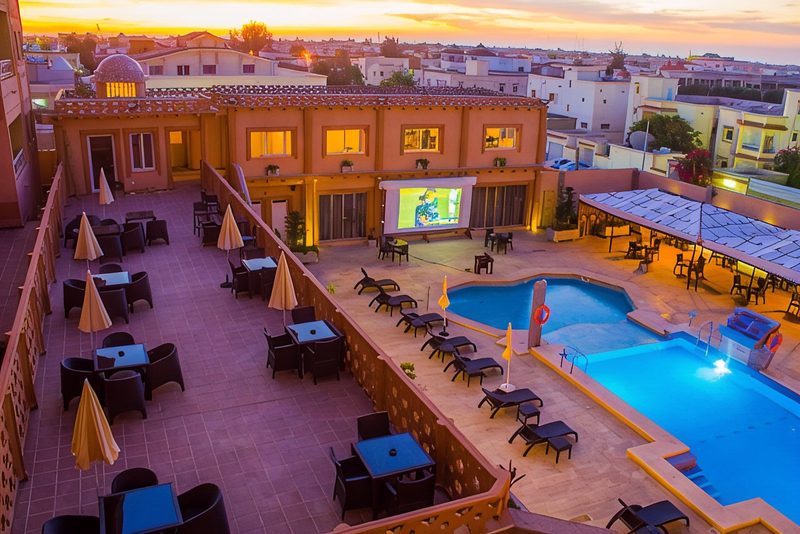
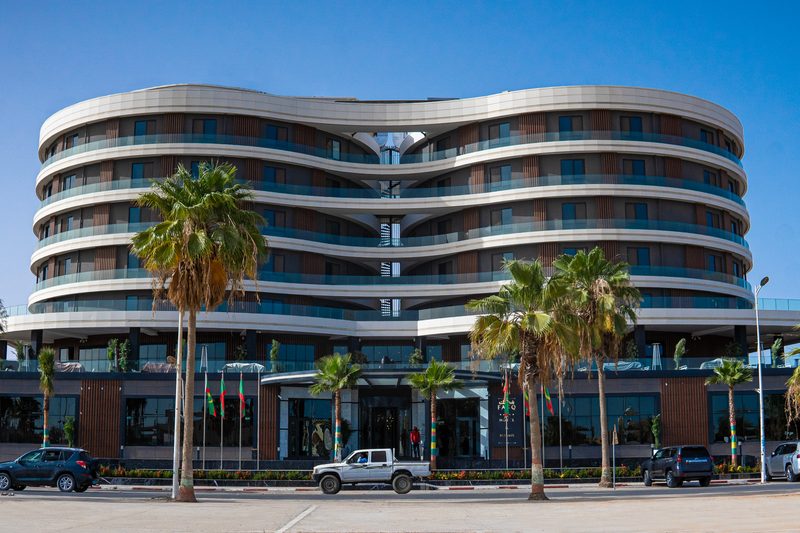
Where to Stay in Mauritania in September
Hand-picked hotels across price tiers for September travellers.
Packing Checklist
Bookmark this page — your progress is saved between visits
Need the full list with shopping links?
Climate-specific gear, brand recommendations, and what to leave at home.
View Mauritania Packing List →Essential Tips
Insider knowledge and common pitfalls to avoid
Insider Knowledge
The three-glasses-of-tea ritual is not mere courtesy in Mauritania. It is social infrastructure. When a Mauritanian offers you attaya, the intensely sweet green tea brewed over charcoal in small glasses, you are expected to stay for all three rounds: bitter like life, sweet like love, gentle like death, as the saying goes. Leaving after one glass is a slight. The full ritual takes thirty to forty-five minutes. That is the point. Schedule for it. The best conversations and the most reliable local intelligence on road conditions, weather, and regional developments surface during the second and third glasses.
Nouakchott largely lacks street addresses. Navigation relies on landmarks, neighborhoods, and phone calls to your contact. Tell your taxi driver the quartier and a nearby known point, never a street name. Neighborhood names carry weight: Tevragh Zeina holds the embassies and restaurants, Ksar forms the old town, and the Cinquieme and Sixieme contain the large districts where most residents live. Your hotel should provide a driver number or contact who can guide taxis to their door.
September sits within peak malaria season in southern Mauritania, after rain. Nouakchott's sandy soil drains fast. But standing water pools in construction sites and vacant lots across the city, and dusk brings visible mosquito activity. Start antimalarials before departure. Treat clothing with permethrin. Use a bed net if your room lacks screened windows.
If driving overland routes, Nouakchott to Atar or any Adrar piste, carry at least 10 liters (2.6 gallons) of water per person daily, plus reserve. Breakdowns occur, and gaps between settlements stretch 100 km (62 miles) or more of nothing but sand and rock. Your driver should carry extra fuel and a tow rope. Confirm this before leaving. A satellite phone or messenger device is not excessive caution on these routes. It is basic risk management.
Avoid These Mistakes
Never underestimate inland heat or treat a Chinguetti or Adrar itinerary like a European summer holiday. The Mauritanian interior regularly exceeds 45°C (113°F) by midday in September. Extreme heat, soft sand, and minimal shade turn a casual afternoon walk between ruins into a medical emergency. Schedule every outdoor activity for predawn and early morning. Stop by 11 AM. Do not resume before 4 PM. Travelers who push through midday heat to keep a schedule end up in the Atar clinic.
Arrive with a plan for local currency. Mauritania uses the ouguiya, and ATMs outside Nouakchott and Nouadhibou are scarce and unreliable. Credit cards work at a few upscale capital hotels and virtually nowhere else. Bring enough euros or US dollars to exchange at Nouakchott banks or licensed bureaus, and carry sufficient ouguiya cash for your entire interior trip. Running out of cash in Chinguetti creates a real logistical problem with no fast solution.
Do not assume Mauritania runs on fixed schedules. Flight times drift, overland departures wait for sufficient passengers, guides may arrive an hour late by your watch and precisely on time by theirs, and confirmed reservations outside top-tier Nouakchott hotels remain approximate. This is not dysfunction. It is a different rhythm. Travelers who construct rigid day-by-day itineraries with no slack will spend their trip frustrated. Build at least one buffer day into every segment. Treat stated departure times as aspirational.
Ready to plan your trip to Mauritania?
Now that you've got the research covered, here's where to go next.
Book Experiences in Mauritania
Top-rated things to do in Mauritania this September
Explore More Activities in Mauritania
Didn't see anything interesting yet?
Browse Viator's full catalog of tours, day trips, food experiences, and private guides in Mauritania.
See All Mauritania Tours on Viator