
Things to Do in Mauritania in March
March weather, activities, events & insider tips
Low Season · Budget Friendly
March Weather in Mauritania
Long-run averages for March in Nouakchott
88°F (31°C)
High Temp
66°F (19°C)
Low Temp
0.1 inches (3 mm)
Rainfall
46%
Humidity
11
Sunny-Day UV
⚠ Harmattan dust events strike with limited warning. Visibility drops to under 1 km (0.6 miles). Fine particulate matter irritates eyes and respiratory systems. Carry a cheche or dust mask at all times. Overland travel delays follow when conditions ground vehicle movement on desert tracks. Pack patience too.
⚠ The daily temperature swing is brutal. 31°C (88°F) at midday drops to 19°C (66°F) before dawn. That is 12°C (22°F) within hours. Open desert without a warm layer after sundown causes real discomfort. This is a camping-trip concern. City travelers can ignore it. Under-prepared travelers on Adrar circuits suffer routinely. Pack layers.
⚠ Sustained UV exposure is extreme under clear Saharan skies. Highly reflective sand intensifies the burn. Unprotected skin burns within thirty minutes of midday exposure. Cumulative damage from a multi-day desert itinerary without rigorous sun protection becomes a medical concern. Reapply sunscreen every two hours. Cover exposed skin with loose clothing. Your future self will thank you.
Is March Right for You?
Weigh the advantages and considerations before booking
Advantages
- + Desert temperatures hit Mauritania's annual sweet spot, Nouakchott averages 31°C (88°F) by day, a full 5°C (9°F) below the punishing October peak, while Adrar Plateau nights settle around a comfortable 19°C (66°F) that makes Saharan camping a pleasure rather than an ordeal.
- + Rainfall is effectively nonexistent at 3 mm (0.1 inches) for the entire month, meaning you can plan a ten-day overland itinerary through unpaved pistes, ancient stone cities, and coastal reserves without a single weather contingency, that kind of planning certainty is rare anywhere, and in a country where wet-season rains turn desert tracks to impassable mud, it matters.
- + Tourist density stays remarkably thin even in what counts as peak visiting season, Chinguetti's manuscript libraries, the wild Banc d'Arguin coast, and the Saharan erg beyond Ouadane might see fewer foreign visitors in a full week than a single tour bus delivers at more commercialized Saharan destinations.
- + Eid al-Fitr, expected in early-to-mid March 2027, marks the end of Ramadan with communal feasting, roasted lamb shared across entire neighborhoods, and a cultural openness toward outsiders that the rest of the calendar does not reliably offer, if your timing aligns, it is one of the most unguarded windows into Mauritanian life.
Considerations
- − The first week of March 2027 likely falls during the final days of Ramadan, when eating and drinking in public during daylight is culturally inappropriate, many restaurants and shops close until sundown, and the pace of daily commerce slows to a crawl, plan meals around iftar timing or carry your own provisions for daytime hours.
- − Harmattan dust from the interior Sahara can reduce visibility to under 1 km (0.6 miles) on bad days and coats everything, lungs, camera sensors, food, the inside of your sealed bag, in an ochre grit that no amount of preparation entirely keeps out.
- − Mauritania's tourist infrastructure remains sparse in the honest sense of the word: outside Nouakchott and Atar, reliable accommodation, fuel stations, and medical facilities are few and distant, and independent overland travel without a 4x4, GPS, satellite communication, and real desert experience is inadvisable.
Best Activities in March
Top things to do during your visit
Adrar Plateau and Ancient Library Cities Circuit
The Adrar Plateau in March is Mauritania at its most traversable. The sand-blasted sandstone of Chinguetti and Ouadane, both UNESCO-listed, glows amber in the low-angle morning light while the air stays dry enough that a full day of walking ancient quarters and browsing hand-copied Quranic manuscripts in private family libraries feels effortless rather than draining. Midday heat at 31°C (88°F) still demands shade between roughly noon and three. But mornings and late afternoons are made for exploring the crumbling stone alleyways where Saharan trade caravans once provisioned before crossing to Timbuktu. Your desert guide will likely prepare tagine buried in sand-covered embers and flatbread baked directly on coals, the smoky, slightly gritty texture of Saharan cooking is an acquired taste that most travelers acquire by the second meal. The surrounding desert, copper dunes, flat-topped mesas, fossilized seabeds from a time when this was ocean floor, is best experienced in March before the summer haze washes out the horizons entirely. Overland travel from Atar to Chinguetti takes roughly two hours by 4x4 on soft sand tracks, and the sense of crossing a landscape that has not changed in centuries is difficult to replicate anywhere else. Current multi-day Adrar circuit options appear in the booking section below.
Booking Tip: Book at least three to four weeks ahead for March departures, the limited pool of licensed operators with well-maintained 4x4 fleets fills early in peak season. Confirm that your tour includes a dedicated desert driver who knows the unmarked pistes, a satellite phone, and water reserves of at least 6 litres (1.6 gallons) per person per day. Mechanical breakdowns in the erg are not theoretical. Ask how the operator handles them before you commit.
Banc d'Arguin Coastal Wildlife Expedition
Banc d'Arguin National Park, the UNESCO-listed stretch of shallow coastline between Nouakchott and Nouadhibou, hosts one of the planet's great concentrations of migratory shorebirds, and March catches the tail end of the wintering season when flamingos, white pelicans, and millions of waders still crowd the tidal flats before their northward departure. The park is home to the Imraguen, one of Africa's last traditional fishing communities, who still hunt mullet using a method that involves calling bottlenose dolphins to drive fish into their nets, a scene so unlikely you would not believe it described if you had not watched it from the hull of a wooden sailing lancha, the salt spray catching the light as the dolphins surface in formation. The water here is shallow, warm, and tea-coloured from nutrient-rich Atlantic upwelling, and the silence on the mudflats at low tide, broken only by the whistle of oystercatchers and the slap of a pelican folding its wings into a dive, is the kind of emptiness that city life makes you forget exists. March conditions are ideal: no rain, moderate wind, and clear enough air to spot the rose-pink haze of a flamingo flock from a kilometre (0.6 miles) out. Current guided expedition options appear in the booking widget below.
Booking Tip: Arrange a guided expedition through a licensed operator at least two to three weeks ahead, independent access requires a park permit and local boat transport that is difficult to organize on short notice. Multi-day trips that include overnight stays in Imraguen fishing camps, sleeping under open sky on the sand with the sound of the Atlantic working the shallows, offer the fullest experience of the park.
Nouakchott Port de Peche and Capital Immersion
Port de Peche wakes before the city does. Arrive at dawn. Hundreds of painted wooden pirogues cut through the Atlantic swell on the incoming tide, then hit the beach in a controlled explosion of noise, salt spray, and commerce. Fishermen haul their catch onto grey sand while buyers converge by donkey cart and Mercedes alike. The smell hits you first. Brine. Diesel. Shark meat drying on warped wooden racks. This is working West Africa at full throttle. March mornings here run warm but not brutal. The Atlantic light turns those pirogue hulls almost neon against the sand. Walk from here. The Cinquieme Marche sprawls in every direction, Saharan silver stacked beside hand-dyed Mauritanian textiles. Amber incense and tanned leather thicken the air in certain corridors. In Ksar and Tevragh Zeina, follow your nose. Charcoal smoke, cumin, hot flatbread. The scent carries half a block. Mauritanian food does not apologize. Thieboudienne arrives on platters built for eight, rice and fish cooked down with tomato and smoked fish until the flavors concentrate. Eat with your right hand. Expect tamarind and dried hibiscus in proportions no menu explains. It is not refined. It is memorable. See current Nouakchott walking tours in the booking section below.
Booking Tip: Half-day guided tours of Nouakchott typically cover the port, markets, and mosque circuit. Book a day or two ahead, or arrange through your accommodation. Arrive at the Port de Peche before 7 AM to catch the pirogue landings at peak intensity. By mid-morning the chaos subsides and the spectacle is over. During Ramadan's final days in early March, the port still operates at dawn but market hours may shift. Confirm timing locally.
Iron Ore Train Journey from Nouadhibou
The iron ore train between Nouadhibou and the mining interior stretches over 2.5 km (1.5 miles) when fully linked. It is one of the longest trains on earth. Riding it across the flat Saharan void is not transportation. It is desert meditation. The journey to Choum, the junction for Atar and the Adrar circuit, runs twelve to eighteen hours through landscape so empty the horizon curves. You hear only wind, the rhythmic clatter of ore cars over jointed rail, and the occasional metallic groan of iron shifting ahead. March works best. Overnight temperatures drop toward 19°C (66°F), cool enough without December's bite or July's furnace. Take the passenger car. It attaches to the rear. Some travelers ride the open ore wagons instead. They arrive coated in red iron dust, a centimetre thick in every fold of skin and clothing, looking like they crawled from the mine itself. The train stops at Choum. Road connections run to Atar. This is slow. It is also spectacular. Current Nouadhibou-based tour options appear in the booking section.
Booking Tip: The train runs on no fixed schedule. It departs when loaded. This could be mid-morning. It could be midnight. Arrive in Nouadhibou a day early. Check departure times through your accommodation or station contacts. Bring all your own food. Bring several litres of water. Bring a sleeping mat and warm layers for the night crossing. The passenger car fills fast. Arrive early at the rail yard. Expect to wait.
Terjit Oasis Canyon Walk
Terjit lies 45 km (28 miles) south of Atar, tucked into a narrow sandstone canyon. Step from the Saharan glare into sudden shade. The temperature drops. Palm fronds filter light into green-gold patterns on rock walls. A freshwater spring pools in smooth stone basins, cool enough to swim while the plateau above bakes at 31°C (88°F). March is the sweet spot. Winter moisture still greens the oasis. The water runs clear, free of the algae that hotter months bring. The canyon floor walk takes an hour. Thread between date palms heavy with unripe fruit, past oleander clusters, past rock faces scored with centuries of flood marks. Birds concentrate here. Desert sparrows. Yellow-vented bulbuls. Occasionally a Pharaoh eagle-owl on the upper ledges, silent and enormous against the narrow sky. The contrast stuns. Parched plateau against this pocket of water, shade, and birdsong. The drive justifies itself. Current Adrar circuit tours that include Terjit appear in the booking section below.
Booking Tip: Terjit appears in almost every multi-day Adrar Plateau circuit booked through Atar-based operators. For independent visits, hire a 4x4 with driver from Atar. The 45 km (28 mile) piste takes about an hour. It is rough. Bring swimwear. Bring water shoes. The sandstone grows slick when wet. Arrive before midday. You will have the canyon largely to yourself before afternoon tour groups cluster in the heat.
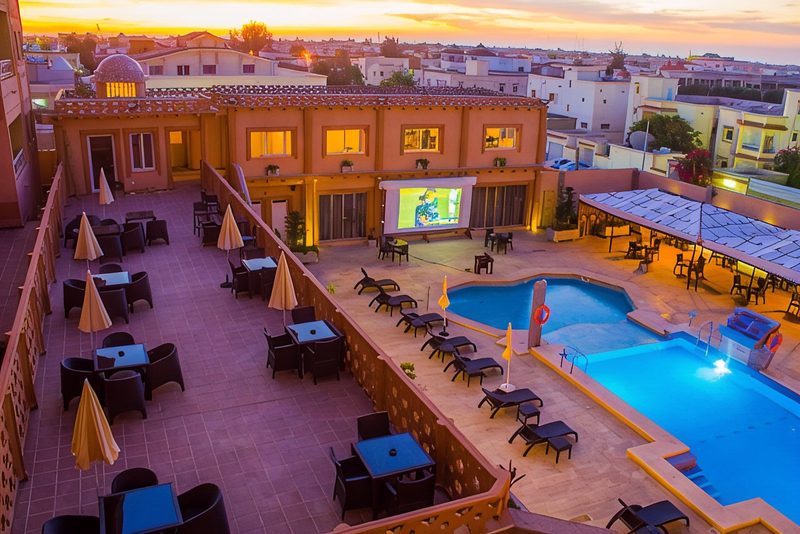
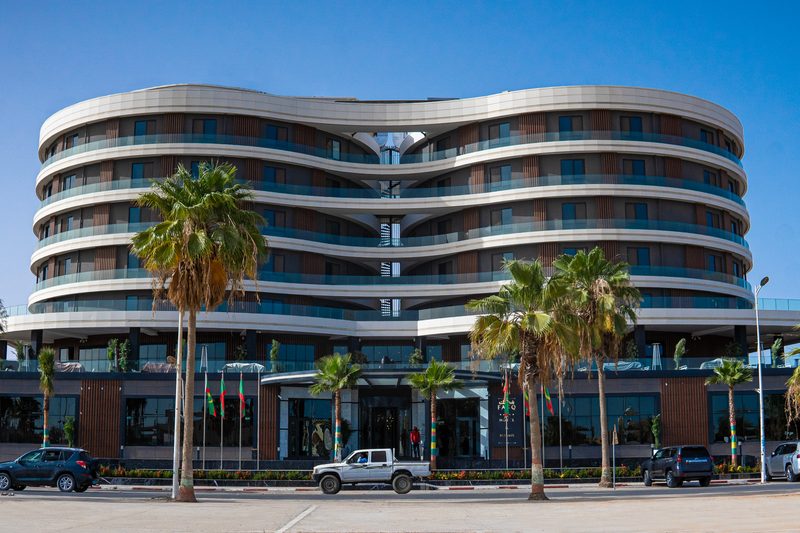
Where to Stay in Mauritania in March
Hand-picked hotels across price tiers for March travellers.
Packing Checklist
Bookmark this page — your progress is saved between visits
Need the full list with shopping links?
Climate-specific gear, brand recommendations, and what to leave at home.
View Mauritania Packing List →Essential Tips
Insider knowledge and common pitfalls to avoid
Insider Knowledge
The Mauritanian tea ceremony, called atay, follows a three-round ritual that locals describe as bitter as death, mild as life, sweet as love. Refusing the first glass is a social misstep. Drinking all three, even when the sugar content of the third round makes your teeth ache, signals respect and willingness to engage. You will be offered tea dozens of times a day, at every stop, in every home and camp, and each ceremony takes twenty to thirty minutes. It is not a delay to manage. It IS the social fabric of the country, and some of the best conversations you will have in Mauritania happen cross-legged on a mat while the coals heat the pot for a second round.
Mauritania after dark is quiet by design, not by deficit. Alcohol is officially prohibited, and the evening scene in Nouakchott consists largely of tea gatherings, family visits, and occasional live griots performing tidinit lute music at private events. If you arrive expecting bars or nightclubs, you have confused this country with its Indian Ocean near-namesake, Mauritius, a mix-up that happens more often than either nation would prefer. The evenings here belong to conversation, and what you hear, from people who have crossed the Sahara by camel, who can name every well between Atar and Timbuktu, tends to be worth more than any cocktail list.
Nouakchott's layout defies logic from street level. The city was designed in the 1960s for 15,000 people. It now holds well over a million. The sprawl spreads across flat sand with few landmarks and fewer street signs. Navigation with GPS remains approximate at best. Landmarks matter more than addresses. Look for the mosque with the green dome. Find the roundabout with the teapot sculpture. Note the road past the Saudi hospital. Your driver navigates by these reference points. You should too.
Joining a multi-day desert tour? Inspect the vehicle's spare tyres, jack, sand ladders, and tow rope before departure, not after the first puncture 80 km (50 miles) from the nearest settlement. A reputable operator expects this scrutiny. Two full-size spare tyres is the minimum for any serious Adrar circuit. One is not enough. The soft-sand pistes between Chinguetti and Ouadane chew through rubber. Tyre damage from buried rock is routine there.
Avoid These Mistakes
Travelers underestimate distances and travel times in a country roughly twice the size of France. The 450 km (280 miles) between Nouakchott and Atar takes seven to ten hours. The road degrades to unpaved piste in sections. Your mapping application suggests four hours. It lies. Plan overnight stops. Skip the two-destination day. Mauritanian travel moves at the speed of the terrain. Your schedule does not matter.
Pack more water than you think. The Saharan interior demands a minimum of 6 litres (1.6 gallons) per person per day. Add more if you are active or your vehicle lacks reliable air conditioning. Dehydration at 31°C (88°F) with 46% humidity sneaks up on you. Moisture evaporates before you notice. The nearest resupply point may be half a day's drive away. Plan accordingly.
Forget beach holidays on Mauritania's Atlantic coastline. The shore near Nouakchott is a working fishing coast. Powerful currents run there. No lifeguards watch the water. Locals treat the undertow with deep respect. Swimming is possible at specific sheltered stretches. This is not a resort destination. The Banc d'Arguin coast is wild, remote, and extraordinary for birding. Leave the sun lounger at home.
Ready to plan your trip to Mauritania?
Now that you've got the research covered, here's where to go next.
Book Experiences in Mauritania
Top-rated things to do in Mauritania this March
Explore More Activities in Mauritania
Didn't see anything interesting yet?
Browse Viator's full catalog of tours, day trips, food experiences, and private guides in Mauritania.
See All Mauritania Tours on Viator