Things to Do in Mauritania in July
July weather, activities, events & insider tips
Low Season · Budget Friendly
July Weather in Mauritania
Long-run averages for July in Nouakchott
85°F (30°C)
High Temp
75°F (24°C)
Low Temp
0.6 inches (15 mm)
Rainfall
77%
Humidity
10
Sunny-Day UV
⚠ Watch for flash flooding risk in wadis and low-lying desert tracks after heavy rain. July marks the start of the hivernage. When storms hit they dump water onto baked ground that does not absorb it. Overland travel routes in the south and around the Adrar Plateau can become impassable without warning. Always confirm road conditions with local contacts before departing. Never camp in a dry wadi bed.
⚠ Mosquito-borne disease risk increases significantly with the onset of the rains. Malaria is present in Mauritania, near the coast, river valleys, and oases. Consult a travel medicine clinic for antimalarial prophylaxis before departure. Use DEET-based repellent consistently, from dusk onward.
⚠ The combination of 30°C (85°F) temperatures and 77% humidity creates a heat index that feels substantially higher than the measured temperature. Heat exhaustion risk is elevated for travelers not acclimatised to tropical humidity, during physical activity. Limit outdoor exertion to the early morning and late afternoon. Monitor your fluid intake aggressively.
Is July Right for You?
Weigh the advantages and considerations before booking
Advantages
- + July is paradoxically Nouakchott's coolest month. Ocean moisture and cloud cover hold the average high to 30°C (85°F) while inland Sahel cities crack 40°C (104°F) and above. Compare that to Mauritania's own October, when the thermometer regularly touches 36°C (97°F) with half the humidity. July starts to look like a reasonable window for a country most travelers assume is uniformly scorching.
- + Tourist traffic drops to nearly zero. You will likely have Chinguetti's medieval manuscript libraries to yourself. Share Terjit's oasis pools with a handful of Mauritanian families rather than tour groups. The guesthouse owner in Atar has time to sit with you for the full three-glass tea ceremony instead of rushing to seat the next arrival. The solitude is genuine, not manufactured.
- + The onset of the brief rainy season greens patches of the southern steppe and fills seasonal guelta, the rock pools that make oasis stops like Terjit feel refreshing rather than survivalist. Date palms in the Adrar valleys are heavy with unripe fruit. The landscape carries a softness you would never associate with the Sahara.
- + Off-season flexibility means tour operators are more willing to customize itineraries. Guesthouses negotiate on multi-night stays. The small pool of English- and French-speaking guides is not booked out months ahead. For travelers who plan two to three weeks in advance rather than two to three months, July is one of the few windows where that still works.
Considerations
- − The humidity spike is the headline discomfort. Nouakchott jumps from a dry-season average around 22-46% humidity to 77% in July. The combination of 30°C (85°F) heat with that moisture creates a clinging, sweat-through-your-shirt atmosphere that is harder to manage than the same temperature in dry desert air. The coastal breeze helps. It does not fix the problem.
- − Unpaved desert pistes, in the southern reaches between Nouakchott and Nema, can become impassable after a heavy downpour. Flash flooding in wadis is a real hazard for overland travel. Some operators scale back or suspend their Adrar Plateau itineraries from mid-July onward depending on conditions. Your carefully planned route may need last-minute revision.
- − Mauritania's already minimal tourist infrastructure thins further in July. Some guesthouses in smaller oasis towns close or operate with skeleton staff. Fuel availability outside Nouakchott and Nouadhibou becomes less predictable. The handful of restaurants that cater to international visitors may keep shorter hours. You need to be comfortable with improvisation.
Best Activities in July
Top things to do during your visit
Nouakchott Port de Peche and Capital City Walking Tours
Nouakchott's Port de Peche is the kind of place that recalibrates your idea of a fish market. By mid-afternoon, hundreds of brightly painted wooden pirogues nose onto the sand. The scene becomes a controlled chaos of men hauling nets heavy with corvina and octopus, women sorting the catch into plastic tubs balanced on their heads, and the thick salt-and-iron smell of fresh fish mixing with diesel smoke from the outboard motors. In July, the overcast mornings and the coastal breeze make the two to three kilometre walk along the beach from the port toward the city centre pleasant before about ten in the morning. The humidity keeps the dust down compared to the gritty dry-season winds. The capital itself is not conventionally attractive. That is part of its honesty. The Marche Capitale is a large grid of metal stalls where Mauritanian families shop for fabric, tea, and silver jewellery. The surrounding streets smell of charcoal grills and fresh flatbread from corner bakeries. Allow a full morning for the port and market circuit. Retreat to a shaded cafe for the afternoon heat. Evening walks along the coastal road pick up a breeze that drops the temperature noticeably after sunset.
Booking Tip: Book a guided capital tour at least ten days ahead through a licensed local operator. July is off-season, so availability tends to be good. Solo travelers benefit from having someone who knows which neighbourhoods are walkable and which require a vehicle. See current guided tour options in the booking section below.
Banc d'Arguin National Park Coastal Expeditions
Banc d'Arguin sits where the Sahara slides into the Atlantic. The result is one of the strangest landscapes on the continent: terracotta sand dunes dropping directly into shallow turquoise lagoons where flamingos and pelicans wade in water barely past their knees. The park is a UNESCO World Heritage Site. It protects both a major bird habitat and the Imraguen fishing communities, who still use traditional sailing boats and nets in a partnership with wild dolphins to herd mullet into the shallows. In July, the resident bird colonies, including white pelicans, royal terns, and several species of heron, are active even without the massive European migratory influx that arrives in winter. The overcast skies make the flat light good for photography. The Atlantic breeze along the coast is the closest thing to natural air conditioning you will find in Mauritania this month. The water temperature, cooled by the Canary Current, sits at a refreshing contrast to the humid air onshore. The park is remote, roughly 180 km (112 miles) north of Nouakchott. Access requires a four-wheel-drive vehicle and a licensed guide. Expect to spend at least two days to do it justice. Bring everything you will need. There are no shops or services inside the park beyond basic Imraguen hospitality.
Booking Tip: Banc d'Arguin requires a park entry permit and a registered guide. Reputable tour operators arrange both as part of multi-day packages. Book at least two to three weeks ahead. July logistics require confirmed vehicle and driver availability. Check the booking section below for current multi-day tours that include the park.
Chinguetti Ancient Library and Adrar Plateau Heritage Tours
Chinguetti carries its status as one of Islam's traditional holy cities in every stone. Houses the colour of burnt sand crowd narrow alleys unchanged in six hundred years. Behind unmarked wooden doors, family libraries guard manuscripts on goatskin, some from the thirteenth century, written in fading Maghribi script. The custodians descend from the scholars who wrote them. They open leather-bound volumes on low tables while dust drifts through light from a single high window. The Adrar Plateau surrounds the town with flat-topped mesas, black basalt fields, and acacia trees casting the only shade for kilometres. July is brutal. The interior runs hotter than coastal Nouakchott, and without ocean breeze, midday temperatures exceed what averages suggest. Start walking before seven. Retreat to shaded courtyards through midday. Venture out after four. The late afternoon light turns sandstone amber. The near-total absence of visitors makes this personal. Worth it.
Booking Tip: Access the Adrar Plateau through multi-day organized tours from Atar. The drive from Nouakchott takes six to eight hours. Domestic flights run occasionally. Licensed operators manage route planning, vehicles, and auberge accommodation. Book through options below. Confirm July-specific contingencies. Rain affects the pistes.
Terjit Oasis Day Excursions and Overnight Stays
Terjit is a crack in the rock. A narrow canyon where underground springs feed clear pools beneath date palms and doum palms. The temperature drops when you step into shade. In July, when the plateau radiates heat and humidity thickens the air, these pools approach transcendence. The water is cool enough to make you gasp. The trickle over rocks is the first natural water sound after days of desert travel. Canyon walls close enough to touch, streaked with rust and black mineral deposits. Fronds filter sunlight into green and gold. Mauritanian families arrive during Guetna to escape heat. Children splash while parents brew tea on rocks. This is one of few relaxed social moments the country offers foreign travelers. Stay overnight. Catch dawn light when pools lie still. Midday heat pushes everyone into shade.
Booking Tip: Terjit appears in multi-day Adrar Plateau itineraries, not separate bookings. Confirm with operators that the stop allows proper swim and rest time. Not thirty minutes. See tour options below.
Nouadhibou Coastal Walking Tours and Cap Blanc Peninsula
Nouadhibou is Mauritania's second city. A windswept fishing port on the Cap Blanc peninsula where Atlantic fog rolls in most mornings and air carries salt and dried fish. The ship graveyard on the bay's southern edge remains the image travelers associate with the city. Rusting freighters and trawlers list in shallow water. Cleanup efforts reduced the fleet. Remaining wrecks succumb to oxidation and barnacles, hulls staining water orange. The peninsula stretches north toward the Cap Blanc colony of Mediterranean monk seals, among earth's most endangered marine mammals. Access is not guaranteed. Viewing requires coordination with conservation contacts. When conditions allow, watching these massive animals haul onto rocks from respectful distance is a privilege few places still offer. July's overcast skies and the Canary Current keep Nouadhibou more comfortable than inland. Quieter streets let you walk the port district, past fish-drying racks and repair yards, without weekday crush.
Booking Tip: Arrange Nouadhibou walking tours through operators who coordinate Cap Blanc seal access. Independent visits are restricted. Book two weeks ahead. Confirm seal viewing conditions for your dates. See current options below.
Where to Stay in Mauritania in July
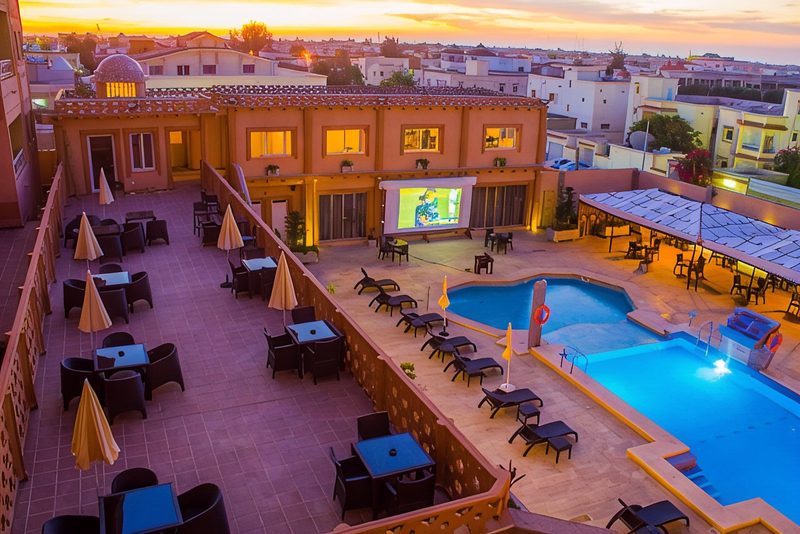
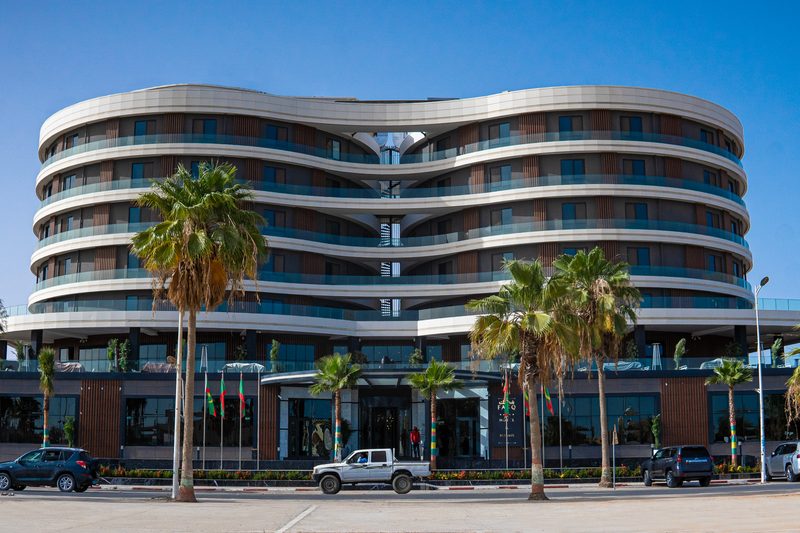
Hand-picked hotels across price tiers for July travellers.
Packing Checklist
Bookmark this page — your progress is saved between visits
Need the full list with shopping links?
Climate-specific gear, brand recommendations, and what to leave at home.
View Mauritania Packing List →Essential Tips
Insider knowledge and common pitfalls to avoid
Insider Knowledge
Mauritania outperforms its Sahel neighbours on traveller safety. Nouakchott, Nouadhibou, and the main Adrar tourist corridor have stayed stable for years. Border zones with Mali and the far eastern desert demand government permits and armed escorts. No reputable operator skips this. The tourist circuit runs smoothly. Nouakchott to Atar to Chinguetti to Terjit to Ouadane sees no incidents. Register with your embassy. Carry passport copies separately from originals. Use a licensed guide outside the two main cities. Petty theft happens in Nouakchott markets. Violent crime against tourists remains rare.
Mauritanian food rewards the curious. Abandon restaurant expectations. The national dish, thieboudienne, piles broken rice cooked in tomato and fish stock with corvina chunks, bitter eggplant, and sweet potato. Home kitchens and market stalls beat restaurants here. Camel meat arrives grilled, stewed, or in couscous with a faintly gamey, almost sweet flavour unlike beef. Zrig, the fermented camel milk drink, bites sharp and tangy. It is acquired. It becomes addictive. It rehydrates better than anything in July humidity. Tea culture anchors social life. Three rounds of mint tea, each stronger and sweeter, poured from height to foam. Declining the third glass offends. Budget thirty extra minutes per encounter. Tea will be offered. Accept it.
If you want Mauritania beach resorts, check your map. You may mean Mauritius, the Indian Ocean island. These are different countries entirely. Mauritania's Atlantic coast stays raw, windswept, and undeveloped. Nouakchott's beaches serve working fishermen. They are not for swimming. The open Atlantic undertow kills. The Banc d'Arguin lagoons offer calmer water. But they are remote. Come for desert, culture, and solitude. Skip the beach holiday fantasy.
Nightlife in Mauritania is essentially nonexistent in the Western sense. Alcohol is officially prohibited throughout the country. Some Nouakchott establishments discreetly serve expatriates. Assuming availability will lead to disappointment. Evening social life revolves around tea, family visits, and occasional live performances of traditional Moorish griot music. This music is built on the tidinit lute and the ardin harp. It sounds like nothing you have heard anywhere else. The hypnotic, sliding scale seems to bend time. If you are in Nouakchott on a Thursday or Friday evening, ask your guide about informal music gatherings. The rhythm shifts something in the back of your skull.
Avoid These Mistakes
Do not assume dry desert heat. First-timers pack for the Sahara they have seen in photographs: bone-dry, searing, and cloudless. July Nouakchott is none of those things. The 77% humidity wraps around you like a damp cloth. Overcast skies trap moisture at ground level. Pack for tropical humidity, not desert aridity. Plan your hydration strategy around sweat that does not evaporate. Forget sweat that dries instantly.
Do not try to cover too much ground in too few days. Mauritania is enormous, roughly twice the size of France. Distances between points of interest are vast, often on unpaved roads that average 30 to 40 km/h (19 to 25 mph). The Nouakchott to Atar drive alone takes six to eight hours in good conditions. A week-long trip should cover no more than two or three major destinations. Rushing across the Sahara in a Land Cruiser is exhausting. It is exactly the wrong way to experience a country whose entire culture is built around sitting down, drinking tea, and letting the conversation arrive.
Do not arrive without a guide or pre-arranged transport, assuming you can sort it out on the ground. Mauritania does not have a backpacker infrastructure of hostels, public buses on tourist routes, or English-speaking information desks. Outside Nouakchott, French is the working language with operators. Hassaniya Arabic is what everyone speaks. Car rental without a driver is functionally impossible for most visitors. Fuel stations in the interior are unpredictable. The desert pistes require local knowledge to navigate safely. Arrange your logistics before you arrive. Budget for a guide who knows the roads, the culture, and, critically, which desert tracks are passable after July rain.
Ready to plan your trip to Mauritania?
Now that you've got the research covered, here's where to go next.
Book Experiences in Mauritania
Top-rated things to do in Mauritania this July
Explore More Activities in Mauritania
Didn't see anything interesting yet?
Browse Viator's full catalog of tours, day trips, food experiences, and private guides in Mauritania.
See All Mauritania Tours on Viator